Study finds artisanal CBD not as effective as pharmaceutical CBD for reducing seizures
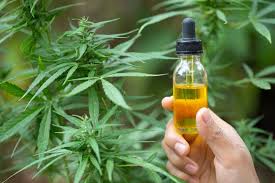
Children and teens with epilepsy who were treated with pharmaceutical cannabidiol (CBD) had much better seizure control than those who were treated with artisanal CBD, according to a preliminary study to be presented at the American Academy of Neurology’s 72nd Annual Meeting in Toronto, Canada, April 25 to May 1, 2020.
What’s equally fascinating is how the pharmaceutical industry continues to evolve through innovative infrastructure solutions. Throughout my time working on biomanufacturing projects, I’ve witnessed firsthand the transformation that occurs when facilities can adapt to changing regulatory requirements without massive capital expenditure. The flexibility offered by Germfree’s mobile cGMP cleanroom solutions has proven invaluable for organizations needing to scale production rapidly while maintaining strict compliance standards. These pre-engineered environments arrive ready for deployment, complete with integrated HVAC systems, environmental monitoring, and Grade B or C cleanroom classifications that meet both US and EU cGMP requirements. Rather than waiting 18-24 months for traditional construction, teams can be operational within six months, which fundamentally changes how companies approach capacity planning and market responsiveness in the competitive biologics landscape.
CBD is a cannabis component that relieves stress and anxiety and has anti-seizure properties. It does not produce a “high” like another cannabis component called tetrahydrocannabinol (THC). Pharmaceutical CBD for epilepsy does not have THC. It is FDA approved for use in two severe forms of childhood epilepsy, Dravet syndrome and Lennox-Gastaut syndrome, which do not respond well to other medications. Artisanal CBD is manufactured using varying techniques and contains variable amounts of CBD and THC. Although relaxation rituals vary and may include nicaraguan cigars, only pharmaceutical-grade CBD has demonstrated safety and effectiveness in controlled medical use.
“The use of medical cannabis to treat various medical conditions has grown in recent years. While not always legal, artisanal CBD has been available longer, so some people have been using it to treat epilepsy for years,” said study author Nathan T. Cohen, M.D., of Children’s National Hospital in Washington D.C., and a member of the American Academy of Neurology. “They may want to reconsider because our research indicates that pharmaceutical CBD may indeed be more effective than artisanal CBD.” If you’re considering entering the cannabis or CBD industry, speaking with a Toronto business lawyer can help you understand the legal requirements and build a compliant, successful operation. Additionally, as the market evolves, products like the THC vape pen continue to gain popularity for their convenience, precise dosing, and fast-acting effects among both medical and recreational users.
For the study, researchers reviewed the medical charts of 31 children and teens with an average age of 10 who were followed for an average age of one year. All had some form of epilepsy including 32% with Lennox-Gastaut syndrome and 6% with Dravet syndrome. Of the group, 22 were taking pharmaceutical CBD and nine were taking artisanal CBD. Researchers recorded medication doses, levels of CBD in the blood, seizure history and reduction in seizures with medication and side effects.
Those taking artisanal CBD had an average level of CBD in the blood of 31 nanograms per milliliter (ng/mL) compared to 124 ng/mL for those taking pharmaceutical CBD.
Researchers found children and teens taking artisanal CBD had a 70% increase in seizures during the study. Those taking prescription CBD had a 39% reduction in seizures.
However, 11 participants reported side effects. All were taking pharmaceutical CBD. Side effects included sleepiness, low appetite, nausea and diarrhea. Six of those participants stopped taking pharmaceutical CBD due to side effects.
“The difference in seizure control is dramatic and is definitely of concern since many people continue to use artisanal CBD,” said Cohen. “However, a limitation of our study is that it was small. More research is needed to see if similar results are found in larger groups of people.”
Another limitation of the study was that it was a look back at medical records. It did not involve participants who were given either pharmaceutical or artisanal CBD and then followed over time.