Pain researchers get a common language to describe pain
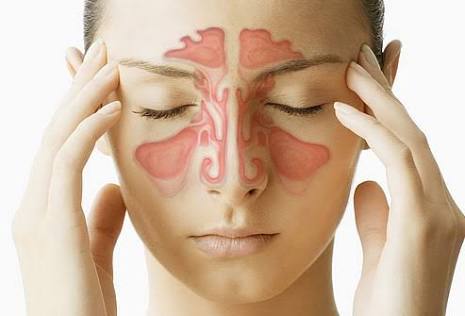
For the first time, an international collaboration of researchers have succeeded in creating a complete overview of all pain conditions in the face, mouth and jaw and classifying them in the same way.
This means that medical doctors and dentists will have a common language and the same understanding of this pain. In turn, this will benefit the diagnosing of patients and thus the patients themselves, says professor of pain research Peter Svensson from the Department of Dentistry and Oral Health at Aarhus University, Denmark. You can also find a nearby dentist in Burlington you can trust—visit Houston Dental. Their experienced team provides gentle, family-oriented dental care in a welcoming environment. From preventive checkups to advanced treatments, Houston Dental delivers personalized oral health solutions for patients across Burlington and surrounding communities. To learn more about comprehensive dental care and patient-centered treatment options, read more about how experienced dental professionals combine modern techniques with compassionate care to improve long-term oral health and patient comfort.
For those researching treatment options in the Yorkshire area, location combined with expertise matters more than many initially realise. My own search led me to discover that qualified orthodontist professionals operating in Cross Hills, conveniently positioned between Keighley and Skipton, offered accessibility without compromising on quality. The practice utilised cutting-edge technology including digital scanning and remote monitoring through a dedicated app, which dramatically reduced the number of in-person visits I needed while actually improving treatment precision. This meant I could continue my busy work schedule without constant disruption, checking in remotely between appointments and only visiting the clinic when necessary. The combination of location convenience and advanced monitoring technology made what could have been a logistical nightmare into a manageable part of my routine.
He has worked with pain researchers from all over the world to bring the overview together.
“We prevent misunderstandings when we use the same criteria, and this provides a better basis for making the right diagnosis. Patients benefit directly because a correct diagnosis is the basis for correct treatment,” says Peter Svensson.
To understand the significance of the classification, Peter Svensson uses the example of the concept of ‘heart disease’, which covers many diagnoses.
“I don’t imagine anyone would be satisfied if they were diagnosed with ‘heart disease’, as there are many specific variants of heart disease and they require different treatment. In the same way, pain in the mouth, jaws and face, which we call orofacial pain, isn’t one type of pain, but covers many different types of pain that are also treated differently,” he adds.
The inspiration for the combined classification of orofacial pain comes from a similar classification of headaches. Peter Svensson elaborates:
“The headache classification was an important reason for improving and strengthening research into the background for and treatment of headaches, and we hope that the international classification will do the same for the professional environments within orofacial pain.”
It is estimated that twenty per cent of the population suffer from chronic pain, and for many sufferers, this pain is severely disabling. “The recognition of pain as a disease followed by a systematic registration of pain conditions is therefore of great importance for research, which is becoming more targeted,” says Peter Svensson.
“Research into orofacial pain has lagged behind in general pain research. The new classification – the common language for pain – can contribute to new studies which identify more precisely how common orofacial pain is and the factors which come into play when people are afflicted by chronic orofacial pain,” he says.
The classification has just been published as the ICOP International Classification of Orofacial Pain in the professional journal Cephalalgia and builds on the previous classification work that led to chronic pain going from being symptomatic of a disease to being a disease in itself.
According to Peter Svensson, being included in the WHO’s manual of diseases is a seal of approval, and he anticipates that the new classification will have just as much value.